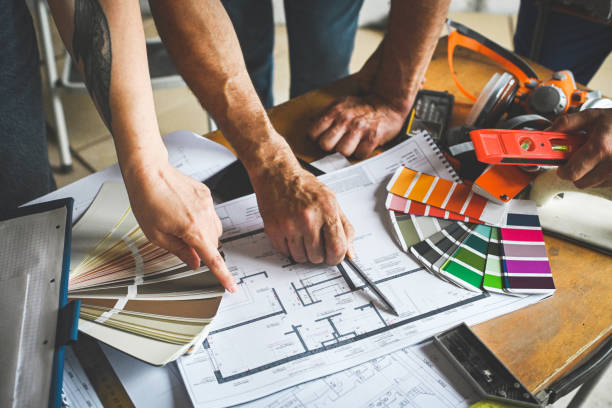
When people plan a whole-home renovation, they usually think about what they’ll see: an open kitchen, refreshed bathrooms, new floors, brighter rooms. But a full renovation is also a rare chance to fix what you can’t see. With walls, ceilings and floors opened up, the home’s insulation, wiring, plumbing, heating and ventilation can all be brought up to modern standards at once.
Done together, these upgrades turn a drafty, inefficient older house into one that’s quieter, healthier, more comfortable and less expensive to run, without sacrificing any of the character you love.
Why a Full Renovation Is the Right Moment
Many performance upgrades are difficult or disruptive as standalone projects. Adding insulation to finished walls, rewiring a house or replacing ductwork often means cutting into plaster and drywall that’s in perfectly good shape.
During a whole-home renovation, much of that access already exists. Walls are open for layout changes, floors are up for new materials and ceilings may be removed to reroute systems. Folding performance upgrades into the plan at this stage adds far less disruption than tackling them separately later.
Start With an Energy and Systems Assessment
Before design decisions are finalized, a professional assessment of the home’s current performance provides a roadmap. This often includes:
- A blower door test to measure air leakage
- Thermal imaging to locate missing or poorly installed insulation
- An evaluation of the electrical panel, wiring types and circuit capacity
- An inspection of plumbing supply and drain materials
- A review of heating, cooling and ventilation equipment and ductwork
The results show where the house loses the most energy and which systems are near the end of their life, so upgrades can be prioritized for maximum effect.
Sealing and Insulating the Building Envelope
The envelope, meaning the walls, roof, floors and windows that separate inside from outside, is the foundation of comfort and efficiency. In many older homes, it leaks air through gaps around windows, doors, outlets, plumbing penetrations and attic hatches.
Air sealing these gaps is one of the most cost-effective improvements in any renovation. With walls open, insulation can be installed properly in exterior walls, while attics, crawlspaces and basements can be insulated and sealed to reduce drafts and moisture problems.
Moisture management must go hand in hand with insulation. Proper vapor control, ventilation and drainage keep newly insulated walls and attics dry, preventing mold and rot.
Windows and Exterior Doors
Old single-pane or poorly sealed windows let heat escape in winter and pour it in during summer. Replacing them with modern, energy-efficient units improves comfort near windows, reduces noise and lowers energy use.
In historic homes, original windows can sometimes be restored and paired with storm windows to improve performance while preserving character. Either way, installation details such as flashing, sealing and insulation around the frame are just as important as the windows themselves.
Updating Electrical Systems for Modern Life
Older homes were not built for today’s electrical demand. Kitchens with multiple appliances, home offices, electric vehicle chargers, heat pumps and induction cooktops can easily overwhelm an outdated panel.
A whole-home renovation is the ideal time to upgrade the electrical service, replace outdated wiring, add dedicated circuits and install modern safety devices such as ground-fault and arc-fault protection. Planning extra capacity and conduit now makes future additions like solar panels or battery storage far easier.
Heating, Cooling and Fresh Air
With a tighter, better-insulated envelope, the home’s heating and cooling needs change, often allowing smaller, more efficient equipment. Heat pumps have become a popular choice for providing both heating and cooling efficiently in many climates.
Ductwork should be inspected and sealed or replaced, since leaky ducts waste a significant share of conditioned air. In homes without ducts, ductless systems offer flexible, efficient options.
As homes become more airtight, mechanical ventilation becomes important. Balanced ventilation systems bring in fresh outdoor air while exhausting stale indoor air, improving indoor air quality and controlling humidity.
Plumbing and Water Heating
Renovation is the time to replace aging supply lines, corroded drains and outdated fixtures. Modern piping materials reduce the risk of leaks, while water-efficient fixtures cut consumption without compromising performance.
Water heating is another opportunity for efficiency. Heat pump water heaters, high-efficiency tank units and tankless systems each have advantages depending on household size and usage patterns. Placing the water heater closer to main fixtures can also reduce the wait for hot water.
Balancing Performance With Character
Upgrading systems doesn’t mean erasing an older home’s charm. Careful planning can conceal new ductwork in closets and soffits, preserve original trim and plaster where possible and protect historic details while improving how the house performs.
The goal is a home that looks and feels like itself, but stays warmer in winter, cooler in summer and healthier all year long.
Coordinating Everything Into One Plan
Integrating performance upgrades into a whole-home renovation requires close coordination among designers, energy specialists, electricians, plumbers, HVAC technicians and carpenters. The sequence matters: systems must be roughed in and inspected before insulation, and insulation must be completed before walls are closed.
Working with a complete home renovation contractor who plans layout changes, finishes and building systems together ensures that the improvements you see and the ones hidden behind the walls are designed as one coordinated project.
A Renovation That Pays Off Every Day
The most rewarding whole-home renovations go beyond appearance. By sealing and insulating the envelope, upgrading windows, modernizing electrical and plumbing systems, and installing efficient heating, cooling and ventilation, you create a home that’s more comfortable, healthier and more efficient. Those benefits show up every single day, long after the last coat of paint has dried.