Transforming an underutilized outdoor plot into an inviting living environment requires careful integration of structural hardscaping, architectural features, and functional space planning. Homeowners increasingly view their backyards as natural extensions of their interior living quarters, seeking dedicated zones for relaxation, alfresco dining, swimming, and year-round entertainment. Achieving a balanced exterior transformation involves more than simply adding new plants or moving patio furniture; it demands professional civil engineering, precise site grading, high-quality masonry, and durable material selection tailored to regional climate conditions. Understanding how custom swimming pools, paver decking, shade pavilions, outdoor kitchens, and masonry retaining walls work together allows property owners to create cohesive outdoor sanctuaries that elevate daily domestic life and maximize overall property value.
The Core Elements of Exterior Backyard Revitalization
A comprehensive backyard overhaul starts with establishing a clear spatial framework. Rather than placing isolated features randomly across a lawn, modern exterior design organizes property space into purposeful outdoor rooms. This structured approach ensures fluid traffic flow while creating distinct areas for active recreation, quiet downtime, and social gatherings.
Several architectural anchors form the basis of a complete outdoor transformation:
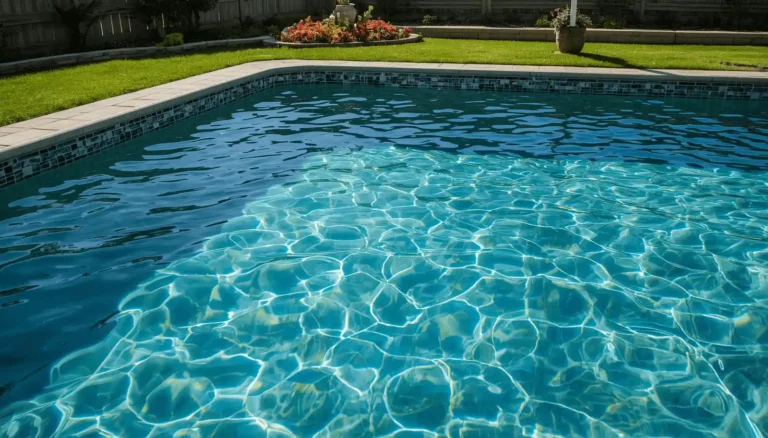
- Custom Aquatic Basins: In-ground swimming pools, shallow plunge pools, and hydrotherapy spas act as central visual features, offering cooling relief in summer months and relaxing warm water during cooler seasons.
- Structural Hardscape Foundations: Level paver decks, flagstone patios, and natural stone walkways provide durable, slip-resistant surfaces for walking, sunbathing, and outdoor furniture placement.
- Culinary and Dining Stations: Built-in outdoor kitchens featuring gas grills, granite prep counters, refrigeration units, and sink stations turn outdoor meals into seamless culinary experiences.
- Ambient Fire and Water Features: Linear fire pits, stone fireplaces, sheer descent waterfalls, and bubbling spouts introduce warmth, acoustic white noise, and visual texture.
- Shade Structures and Retaining Walls: Pergolas, roofed pavilions, and block masonry seat walls provide necessary protection from harsh sunlight while managing slope elevation changes cleanly.
Spatial Planning and Creating Outdoor Living Zones
Designing a multi-functional outdoor area requires the same ergonomic considerations applied to interior floor plans. Moving smoothly from cooking zones to dining tables and pool surrounds requires intentional layout boundaries and clear pathways.
Creating distinct elevation levels using stone retaining walls or raised wooden decks is an effective way to define separate activity areas. For instance, elevating a dining pavilion slightly above a pool deck separates food preparation zones from splashing water while maintaining clear sightlines across the property. Connecting these zones with wide, gently sloped paver walkways ensures safe, effortless foot traffic movement for family members and guests alike. When evaluating structural options and regional project scope, reviewing portfolio work athttp://gwpbuilders.com highlights how custom pool construction, hardscape paving, and exterior masonry can be integrated under a single, unified master layout.
Material Performance for Outdoor Durability
Selecting building materials that withstand continuous sun exposure, rain, chemical splashes, and heavy foot traffic is essential for long-term project success. Material choices directly impact ongoing maintenance demands and structural longevity.
Natural Stone and Interlocking Pavers
Standard poured concrete slabs expand and contract with temperature shifts, making them vulnerable to unsightly surface cracks over time. Interlocking concrete pavers and high-density natural stones, such as travertine, slate, and limestone, offer superior flexibility and structural resilience. Travertine, for example, features natural heat-dispersing properties that keep pool surrounds cool underfoot during peak sun hours, making it a preferred option for bare-foot patio zones.
Masonry and Retaining Wall Systems
Sloped yards present challenges for soil stability, erosion management, and usable flat ground. Segmental concrete blocks and natural stone masonry walls hold back heavy earth, creating level terraced tiers ideal for lawns, patio additions, or raised garden beds. Finishing retaining walls with smooth stone coping caps creates built-in perimeter seating around fire features and dining decks.
Comparing Outdoor Revitalization Features
Evaluating different structural elements involves balancing aesthetic appeal, functional utility, long-term durability, and ongoing care demands.
| Outdoor Upgrade Category | Primary Utility & Purpose | Material Options | Long-Term Care Needs |
| In-Ground Concrete Pools | Recreation, fitness, and central visual anchor. | Shotcrete shell; plaster, quartz, or pebble finish. | Regular water chemistry balancing and filter maintenance. |
| Interlocking Paver Decks | Durable, slip-resistant walking and lounging base. | Concrete pavers, travertine, slate, or porcelain tile. | Occasional joint sand replenishment and pressure washing. |
| Built-In Outdoor Kitchens | Food prep, grilling, and open-air entertaining. | Stainless steel appliances, stone veneers, granite tops. | Routine grill cleaning and seasonal plumbing lines flushing. |
| Structural Retaining Walls | Soil stabilization, slope grading, and terracing. | Segmental concrete block, stacked fieldstone, brick. | Minimal maintenance; periodic drainage weep hole clearing. |
| Custom Gas Fire Features | Evening physical warmth and atmospheric lighting. | Firebrick lining, stacked stone veneer, glass media. | Low; periodic burner checks and debris clearing from media. |
Energy-Efficient Pool and Landscape Automation
Modern backyard upgrades prioritize operational efficiency and user convenience. Managing lighting, water circulation, and heating systems no longer requires manual switches or complex equipment pad adjustments.
Integrating smart automation panels allows homeowners to schedule pool filtration cycles, change LED pool lighting colors, activate sheer descent waterfalls, and heat spa water remotely via smartphone applications. Variable-speed pool circulation pumps consume up to 80 percent less electricity than single-speed alternatives, running quietly at low RPMs to maintain constant water filtration. Furthermore, pairing salt-chlorine generators with automated water balance sensors maintains clean pool water continuously while eliminating the need for aggressive manual chemical handling.
Essential Lighting and Climate Adaptation
Extending the usability of an outdoor space into evening hours requires a thoughtful, multi-layered lighting design. Combining submerged pool LEDs, low-voltage path lights, step riser fixtures, and directional tree up-lights creates a balanced visual atmosphere without generating harsh glare.
Complementing strategic lighting with physical heating solutions—such as built-in gas fire bowls, linear fire pits, or overhead infrared heaters—ensures that outdoor seating areas remain warm and comfortable during crisp autumn and winter evenings. Adding solid roof structures, automated shade screens, or wooden pergolas offers refuge from daytime heat, allowing the outdoor space to function effectively across all four seasons.
Building a Lasting Outdoor Sanctuary
Revitalizing a residential backyard is an investment in daily comfort, functional living space, and long-term property equity. By combining durable hardscape foundations, custom aquatic installations, ergonomic culinary stations, and modern automation systems, property owners can turn underutilized yards into luxurious, private retreats. Careful spatial planning and high-quality material selections ensure that the upgraded landscape remains safe, low-maintenance, and visually captivating for decades of outdoor enjoyment.