In the world of interior design, finishes come and go. There was a time when high-gloss everything dominated luxury spaces. Polished marble floors gleamed under chandeliers. Shiny ceramic tiles reflected light in bathrooms and kitchens. Gloss was associated with cleanliness, modernity, and opulence. But times have changed. Walk into any high-end renovation today, and you will notice something different. The surfaces are softer. The light is diffused. The look is subtle, sophisticated, and understated. Matte tile has arrived, and it is transforming the way we think about luxury.
This shift is not accidental. It reflects a broader cultural change in how we define elegance. We are moving away from ostentation and toward authenticity. We are rejecting the flashy and embracing the tactile. We want spaces that feel warm, natural, and grounding. Matte tile delivers all of this and more. It is beautiful, practical, and incredibly versatile. It is no wonder that designers, architects, and homeowners are choosing it for their most important projects.
This article explores why matte tile is showing up in more high-end renovations. We will look at its aesthetic appeal, its practical advantages, and how it compares to glossy alternatives. We will also discuss where to use it and how to incorporate it into your own home. Whether you are planning a full renovation or a simple refresh, understanding the appeal of matte tile will help you make informed design decisions.
The Aesthetic Appeal of Matte
The most obvious reason for the rise of matte tile is its aesthetic. Matte finishes have a soft, velvety appearance that is inherently sophisticated. They absorb light rather than reflecting it. This creates a subtle, nuanced look that is easy on the eyes. Unlike glossy tiles, which can create harsh glare and reflections, matte tiles offer a gentle, diffused light that feels warm and inviting.
This quality is particularly appealing in high-end design. Luxury is no longer about showing off. It is about creating an environment that feels comfortable, serene, and effortlessly elegant. Matte tile contributes to this atmosphere. It does not shout for attention. It whispers. It provides a quiet backdrop for the other elements in the room, allowing furniture, art, and architectural details to shine.
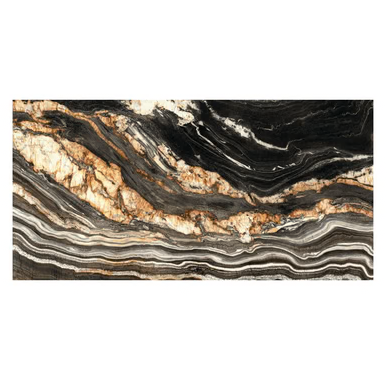
Matte tile also feels more natural. It mimics the appearance of untreated stone, concrete, and wood. These materials have a raw, organic quality that is highly prized in contemporary design. By choosing matte tile, you can bring a touch of nature into your home, even if the material itself is man-made. This connection to the natural world is a hallmark of high-end design.
The Tactile Experience
Beyond aesthetics, matte tile offers a superior tactile experience. It feels smooth but not slippery. It has a subtle texture that is pleasant to the touch. This is particularly important in spaces where you walk barefoot, such as bathrooms and bedrooms. A glossy tile can feel cold and slick. A matte tile feels warmer and more grounded.
This tactile quality extends to the visual experience as well. When you look at a matte tile, you can see the depth of the material. The surface has a richness that glossy tiles lack. This depth adds a layer of sophistication that is hard to achieve with other finishes. It is a detail that you may not notice consciously, but you feel it. It contributes to the overall sense of quality and luxury.
Practical Advantages: Durability and Maintenance
Matte tile is not just beautiful. It is also practical. In fact, it offers several advantages over glossy tile that make it ideal for high-end renovations.
Scratch Resistance
Glossy tiles show scratches very easily. Every scuff, every scrape, every minor imperfection is visible on a shiny surface. Matte tiles, on the other hand, are much more forgiving. The subtle texture hides scratches and wear. This means your floor or wall will look newer for longer. In high-traffic areas like entryways, kitchens, and living rooms, this is a significant advantage.
Slip Resistance
Safety is a major consideration in any renovation, especially in bathrooms and kitchens. Glossy tiles can be dangerously slippery when wet. Matte tiles have a higher coefficient of friction, which means they provide better traction. This makes them a safer choice for floors, particularly in areas that are prone to spills or moisture. For families with children or elderly residents, this is an important benefit.
Easy Maintenance
You might think that a textured surface would be harder to clean. But the opposite is often true. Matte tiles do not show water spots, fingerprints, or smudges as readily as glossy tiles. This means you can go longer between cleanings. When you do clean them, a simple damp mop or cloth is usually enough. You do not need special products or excessive scrubbing. This ease of maintenance is a luxury in itself.
Stain Resistance
Modern Porcelain tiles are highly resistant to stains. They are dense and non-porous, which means liquids cannot penetrate the surface. This makes them ideal for kitchens and bathrooms, where spills are common. Even if you spill wine, oil, or coffee, you can usually wipe it up without leaving a trace. This stain resistance is a key reason why matte porcelain tile is so popular in high-end renovations.
Where to Use Matte Tile
Matte tile is incredibly versatile. It can be used almost anywhere in the home. Here are some of the most popular applications.
Bathrooms
The bathroom is perhaps the most natural home for matte tile. The soft, diffused look creates a spa-like atmosphere. The slip resistance makes it safe for wet areas. And the easy maintenance makes it practical for busy households. Use matte tile on the floor, the shower walls, and even the ceiling. It creates a cohesive, calming environment that feels luxurious and serene.
Kitchens
In the kitchen, matte tile is a popular choice for floors and backsplashes. A matte backsplash provides a subtle backdrop for your countertops and cabinets. It does not compete for attention. Instead, it enhances the overall design. Matte floor tile is durable, easy to clean, and slip-resistant. It is a practical and beautiful choice for the hardest-working room in the house.
When selecting backsplash tiles, consider a matte finish in a neutral color. White, gray, and beige are timeless choices that will never go out of style. If you want something more dramatic, consider a matte tile in a deep color like navy, charcoal, or forest green. These colors add depth and richness to a kitchen.
Living Areas
Matte tile is increasingly popular in living rooms, dining rooms, and hallways. A matte porcelain tile that mimics the look of wood or stone can create a warm, inviting atmosphere. It is more durable than hardwood and easier to maintain. It also works well with underfloor heating, which is a common feature in high-end homes. The combination of matte tile and radiant heat creates a floor that is both beautiful and comfortable.
Outdoor Spaces
Matte tile is also an excellent choice for outdoor areas. Its slip resistance makes it safe for patios, pool decks, and walkways. Its durability allows it to withstand the elements. Its aesthetic complements natural surroundings. Whether you are creating a rooftop terrace or a garden path, matte tile is a smart and stylish choice.
Matte vs. Glossy: A Comparison
To fully appreciate the appeal of matte tile, it is helpful to compare it to glossy tile.
Glossy tile is shiny and reflective. It can make a space feel larger and brighter because it bounces light around the room. It is often used in small bathrooms and dark kitchens to maximize light. However, glossy tile can also create glare, which can be uncomfortable. It shows every smudge, fingerprint, and water spot. It can be slippery when wet. And it can look dated if not used carefully.
Matte tile is soft and diffused. It absorbs light rather than reflecting it. This creates a warm, inviting atmosphere. It hides scratches and smudges. It is slip-resistant. It feels more natural and organic. It is timeless and sophisticated.
While both finishes have their place, matte tile is clearly the choice for high-end renovations. It aligns with the current design ethos of subtle luxury and understated elegance. It is a finish that feels modern, yet timeless. It is a finish that will look beautiful for years to come.
The Influence of Minimalism and Japandi Design
The rise of matte tile is closely tied to the popularity of minimalism and Japandi design. Minimalism is about stripping away the unnecessary to reveal the essential. It is about clean lines, neutral colors, and a lack of clutter. Japandi design is a fusion of Japanese and Scandinavian aesthetics. It emphasizes natural materials, simplicity, and a connection to nature.
Both of these design philosophies favor matte finishes. Glossy surfaces can feel cold and artificial. Matte surfaces feel warm and natural. They align with the values of these design movements. As these styles continue to dominate the world of interior design, matte tile will only become more popular.
How to Incorporate Matte Tile Into Your Renovation
If you are convinced that matte tile is right for your project, here are some tips for incorporating it successfully.
First, choose the right material. Porcelain is the most common choice for matte tile. It is durable, water-resistant, and available in a wide range of styles. Ceramic is another option, but it is less durable and better suited for walls. Natural stone, such as slate or travertine, also has a matte finish. It is beautiful but requires more maintenance.
Second, consider the color. Matte tile comes in every color imaginable. Neutral colors like white, gray, and beige are safe and timeless. They create a calm, serene atmosphere. If you want more drama, consider a darker color. A matte black tile can be incredibly striking in a bathroom or kitchen. A deep green or blue can add richness and depth.
Third, think about texture. Matte tile can have a smooth surface or a textured one. A smooth matte tile is elegant and easy to clean. A textured matte tile adds visual interest and provides extra slip resistance. Consider the location and the look you want to achieve.
Fourth, plan your layout. Matte tile can be laid in a variety of patterns. A simple grid is classic. A herringbone or chevron pattern is more dynamic. A large-format tile creates a seamless look. Consider the size of your space and the style of your home when choosing a layout.
Fifth, do not forget the grout. Grout color can dramatically affect the look of your tile. For a seamless look, choose a grout that matches your tile. For a more defined look, choose a contrasting grout. In high-end renovations, a matching grout is often preferred because it creates a more continuous surface.
Where to Find Quality Matte Tile
Finding quality matte tile is essential for a successful renovation. You can find a selection at large home improvement stores. However, for a truly unique look, you may want to visit a specialized retailer. These stores often carry a wider range of colors, patterns, and finishes. They also have knowledgeable staff who can help you choose the right tile for your project.
If you are in the Ontario area, a reputable Tile and Flooring Store can be an excellent resource. They can help you navigate the options and find the perfect matte tile for your space. They can also advise you on installation and maintenance. Working with a specialist ensures that you get the quality and service you deserve.
Common Mistakes to Avoid
While matte tile is a great choice, there are some common mistakes to avoid. First, do not choose a matte tile that is too textured for a floor. A very rough texture can be difficult to clean and uncomfortable to walk on. Second, do not use matte tile in a dark room without adequate lighting. Matte tile absorbs light, so you need to ensure the room is well-lit. Third, do not skimp on quality. Cheap matte tile can look dull and flat. Invest in high-quality tile from a reputable brand. Fourth, do not forget about sealing. While porcelain is non-porous, natural stone matte tile may need to be sealed to prevent staining. Fifth, do not rush the installation. Large-format matte tile requires a skilled installer. Hire a professional to ensure a beautiful result.
The Future of Matte Tile
The future of matte tile is bright. As design trends continue to move toward natural, organic, and understated aesthetics, matte finishes will only become more popular. Manufacturers are already developing new matte tile products that mimic the look of wood, concrete, and natural stone with stunning realism. They are also creating new textures and patterns that push the boundaries of what is possible.
In the future, we can expect to see matte tile in even more applications. It will be used on walls, floors, countertops, and even furniture. It will be combined with other materials, such as wood and metal, to create unique and innovative designs. The possibilities are endless.
Conclusion: Why Matte Tile Is Here to Stay
Matte tile is not a passing trend. It is a design movement that reflects a fundamental shift in how we think about luxury. We are moving away from flashy, glossy surfaces and toward subtle, tactile ones. We want spaces that feel warm, natural, and serene. We want materials that are durable, practical, and beautiful. Matte tile delivers on all of these fronts.
Whether you are renovating a bathroom, a kitchen, or an entire home, consider matte tile. It is a choice that will elevate your space and stand the test of time. It is a choice that feels modern, yet timeless. It is a choice that says you value quality over quantity, substance over show. In the world of high-end renovation, matte tile is not just an option. It is the new standard. And it is here to stay.