People spend weeks choosing paint colors, tile, and light fixtures, then pick a fence from the first catalog page they see. Yet a fence is often the first thing visitors notice, and it frames every view of the garden from inside the house. It sets the tone for the whole property before anyone reaches the front door. Treating the fence as a design element rather than a utility turns it from a barrier into something that ties the house, garden, and street together.
Let the Architecture Lead
The most reliable way to choose a fence style is to take cues from the house itself. A fence that echoes the home’s lines, materials, and proportions looks like it was always meant to be there.
- Craftsman and bungalow homes pair well with natural wood, simple square pickets, and sturdy posts with modest caps, echoing the exposed beams and tapered columns of the style.
- Colonial and traditional homes suit classic white or painted picket fences, or ornamental metal with finials for a more formal look.
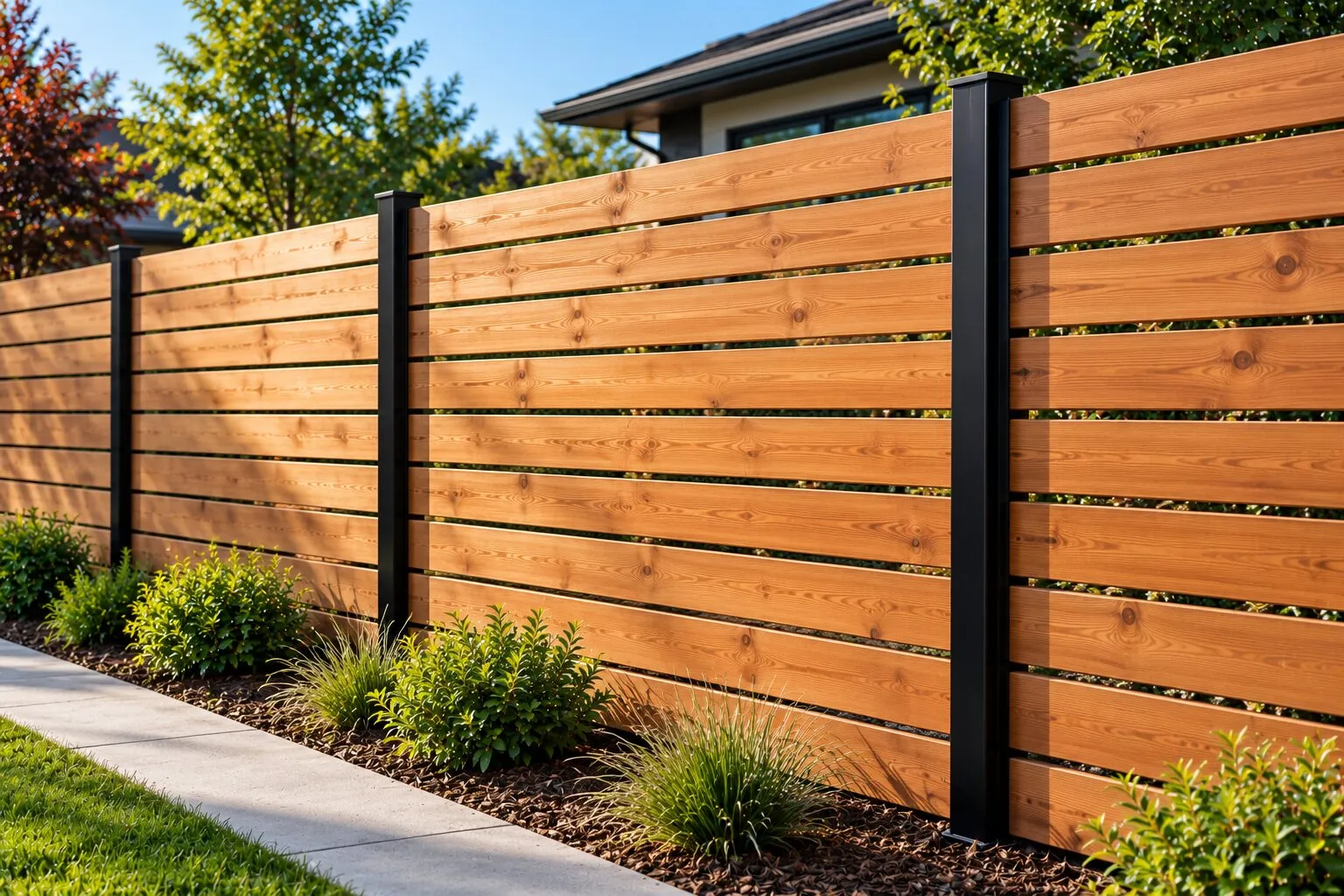
- Modern and contemporary homes call for horizontal boards, clean slats, dark metal, or mixed materials with minimal trim.
- Farmhouse and cottage styles feel natural with hog wire panels in wood frames, split rail, or relaxed picket designs softened by climbing plants.
- Mid-century homes look sharp with horizontal slats, alternating board widths, or panels that play with negative space.
When the home mixes styles, follow the dominant feature, usually the roofline, the siding, or the front entry.
Color Is a Design Decision Too
Fence color can make a yard feel larger, cozier, more formal, or more relaxed.
Natural wood tones blend into planting and make a garden feel warm and organic. Cedar left to weather turns a soft silver that suits coastal and rustic settings.
Dark stains and black finishes are a favorite in contemporary design. They recede visually, make greenery pop, and give a property a crisp, tailored edge, especially against light-colored siding.
White and cream create a classic, bright look, but they show dirt and mildew quickly and need more cleaning.
Painted colors that match the trim connect the fence to the house. A fence painted the same color as the window frames or front door reads as part of the architecture.
A useful rule of thumb is to match either the house trim or the dominant tone of the garden, not to introduce a completely new color.
Proportion and Rhythm
Good fences have a rhythm, the visual beat created by posts, boards, and gaps. Small changes in that rhythm change the whole effect.
- Board width. Wide boards feel solid and rustic, while narrow slats feel refined and modern.
- Gap spacing. Tight gaps emphasize privacy and mass. Wider gaps create lightness and filtered views.
- Post spacing and caps. Evenly spaced, slightly taller posts with caps create a structured, architectural look. Hidden posts behind the boards create a seamless, continuous surface.
- Height transitions. Stepping a fence down near the front of a property, or softening it with a lattice top, keeps a tall boundary from feeling like a wall.
Mixing directions is another strong design move. A horizontal fence with vertical gate boards, or a vertical fence with a horizontal top band, adds interest without clutter.
Mixing Materials
Some of the most striking fences combine materials:
- Wood boards in a black steel frame for a modern industrial look
- Stone or brick pillars with wood or metal infill panels for a traditional estate feel
- Wood frames with welded wire panels that let planting show through
- Concrete or masonry bases topped with horizontal wood slats on sloping sites
Repeating a material that already appears on the house, such as the same stone as the chimney or the same metal finish as the porch railings, makes the combination feel intentional.
Designing for the Climate You Live In
A beautiful design only works if the materials suit local weather. Hot, sunny climates fade stains and dry out wood, while damp climates bring moss, mildew, and rot. In the rainy Pacific Northwest, for example, homeowners researching fence installation Seattle options quickly learn that durable cedar and well-drained posts matter as much as the look. Corrosion-resistant hardware and finishes that let wood breathe matter too. The style of the fence can be anything, but the materials underneath need to suit the conditions.
Choosing climate-appropriate materials also protects the design over time. A modern black-stained fence looks sharp only if the stain holds up. A white picket fence charms only while it stays white.
Planting Turns a Fence Into a Garden Feature
A fence and the plants around it work as a single composition. A few planting ideas strengthen the design:
- Climbers such as clematis, jasmine, or climbing roses soften solid fences and add seasonal color.
- Espaliered fruit trees trained flat against a fence add structure and a touch of craftsmanship.
- Tall grasses in front of horizontal slats create movement and texture.
- Layered borders with shrubs at the back and perennials in front keep a tall fence from feeling imposing.
Leave a little breathing room between plants and boards so air can circulate and the wood can dry.
Lighting Makes the Fence Work After Dark
Lighting extends the design into the evening. Low-voltage uplights at the base of a fence highlight its texture. Small lights mounted on posts guide guests along a path. Lights tucked under a top cap wash the boards with a soft glow. String lights draped along a back fence instantly make a patio feel like an outdoor room. Warm-toned bulbs suit wood, while cooler tones suit metal and contemporary designs.
Small Details That Elevate the Look
Finishing touches separate a designed fence from a standard one:
- Post caps in copper, wood, or metal
- Decorative gate hardware that matches door handles or exterior light fixtures
- House numbers mounted on a front fence or gate post
- A built-in planter or bench along a backyard run
- Consistent finishes across the fence, gates, and trim
These elements cost relatively little compared with the fence itself, yet they make the whole property feel finished.
A Fence That Completes the Picture
When a fence is chosen with the same care as the rest of the home, it does more than mark a boundary. It frames the house, supports the garden, and gives the property a consistent style from the street to the back patio. Start with the architecture, choose colors and proportions with intent, match materials to the climate, and add finishing touches, and the fence will feel like part of the home’s design rather than an afterthought.