
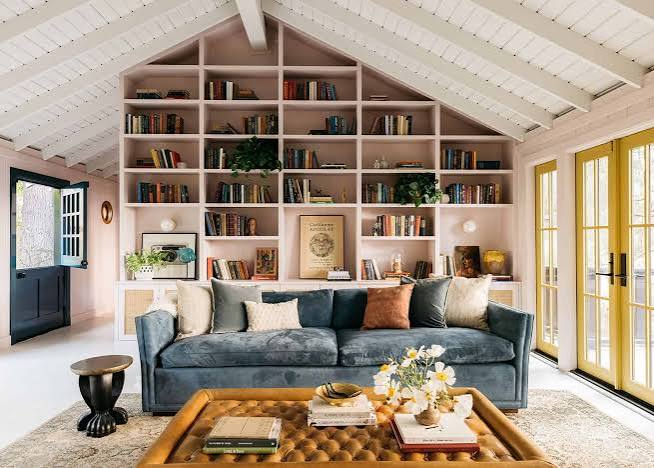
The Renter’s Decorating Paradox
Renters face a genuine tension: they live in their home full-time and want it to feel like theirs, but most of the changes that would make the most difference — paint, built-ins, changing fixtures — are either prohibited by their lease or feel pointless given the temporary nature of the tenancy. The result is often a space that feels transitional and uninvested-in, which affects daily mood and the quality of time spent at home more than most people consciously recognize.
The temporary decorating toolkit has expanded significantly in recent years, and the gap between what renters can and can’t do has narrowed considerably. The constraint is real; the creative space within it is larger than most renters explore.
Statement Lighting: The Change With the Biggest Impact
Rental ceiling fixtures are almost universally pedestrian — a standard globe, a basic flush mount, or an outdated brass fixture that the landlord has never updated. Replacing them requires landlord permission and replacing them back at move-out, but the process is technically straightforward (standard ceiling fixture replacement requires no special tools or skills) and the visual impact is among the highest of any single rental change.
Most landlords grant permission when approached professionally and when the tenant commits to reinstalling the original fixture at move-out. Store the original fixture carefully in its original packaging (or take photos to document reconnection points). An pendant light or chandelier in the dining area or living room changes the feel of the entire room far more than most furniture changes.
Removable Wallpaper: What the Current Generation Actually Delivers
Removable wallpaper has crossed a threshold in quality that makes it a genuine, not just aspirational, rental decorating tool. Current products from established brands (Chasing Paper, Tempaper, Spoonflower, and others) use pressure-sensitive adhesive that bonds cleanly to painted drywall and removes without surface damage on standard surfaces. Application takes an afternoon; removal takes an hour.
The most effective applications: a single feature wall in a bedroom or dining area (a full room of pattern can feel busy and the product cost scales with square footage), a backsplash simulation in a kitchen, or an entryway transformation. Choose designs that work with your existing furniture and return to the store for your next home, maintaining the investment across moves.
Curtains as Room Transformation
Curtains hung at ceiling height from a tension rod or removable adhesive hooks create the same visual effect as in an owned home — taller ceilings, larger windows, more elegant proportions — without any permanent modification. The investment in a good set of curtains is transferable to your next home regardless of window size, which changes the cost calculation from ‘expense for this apartment’ to ‘investment for all future homes.’
Floor-to-ceiling curtains in a natural linen, a textured cotton, or a velvet dramatically change the character of a room. In rooms with a single inadequate window, curtains that extend well beyond the window frame on both sides create the impression of a much larger window opening — a technique used in interior design photography and showrooms that works equally well in everyday rentals.
Area Rugs as Architecture
In rental apartments with whatever flooring the landlord chose, area rugs are the primary tool for creating zones, adding warmth, and establishing the color and texture palette of each room. A well-chosen large area rug does more for a rental living room than almost any other single addition — it grounds the furniture arrangement, introduces warmth that hard floors lack, and signals intentional design choices in a way that floating furniture on bare floor doesn’t.
Rugs layer and translate across homes — a rug purchased for a rental apartment goes to the next home. This transferability makes the investment in quality rugs among the most reasonable decorating expenditures for renters. Natural fiber rugs (jute, sisal, wool) age gracefully and work across many different home styles; a natural fiber rug bought in your twenties can still be in use decades and homes later.